

Your Next Step Starts Here
Your Experience Has Value
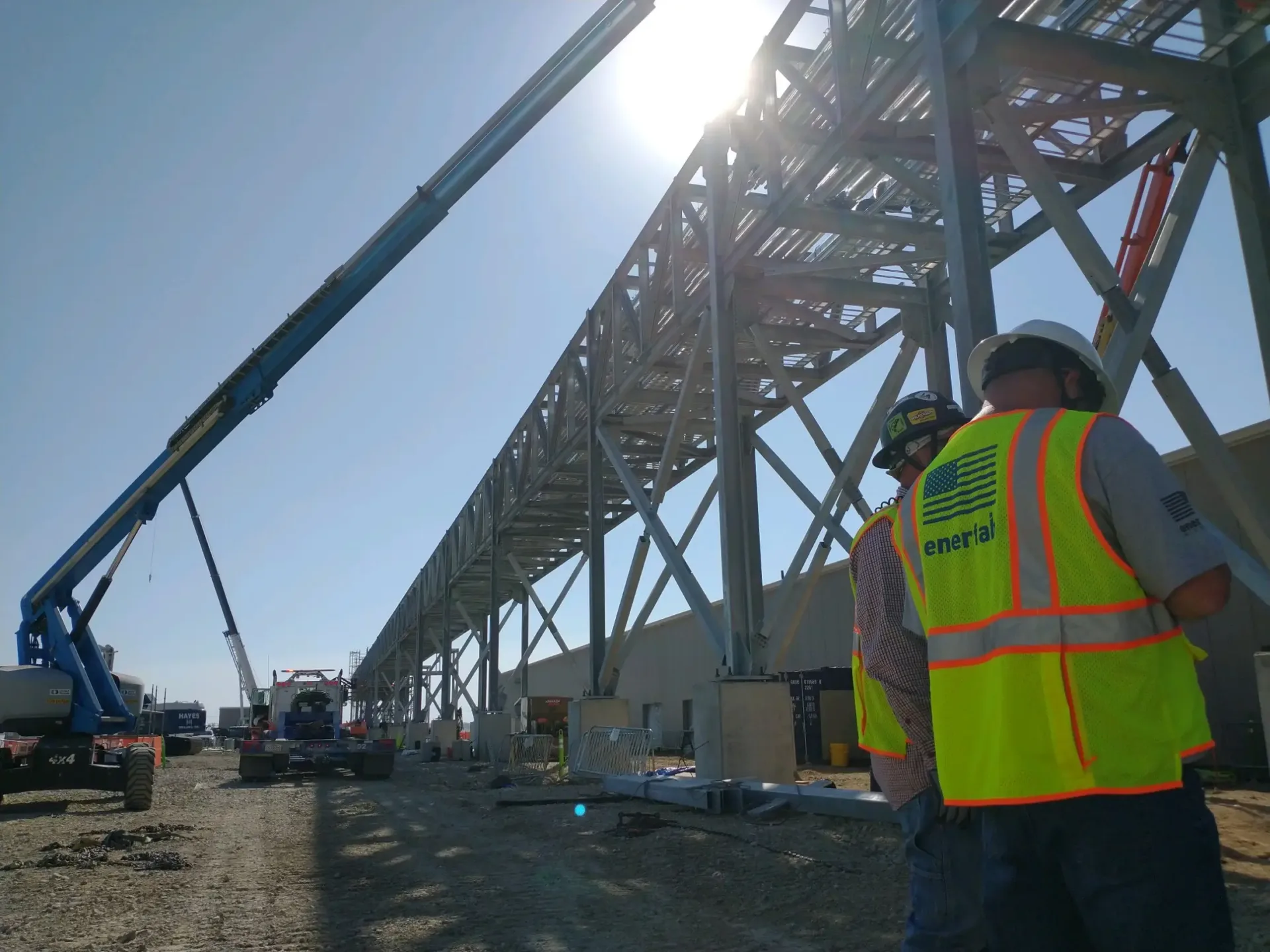
Scanned this on a jobsite banner? You’re in the right place.
Enerfab is a field- and craft-led organization. Some of the best leaders in our company started their careers on the tools, and some of the most valuable knowledge we have lives with the people building the work every day.
We can teach an experienced tradesperson how to use a computer, navigate project software, write reports, manage a schedule or develop an estimate. What’s much harder to teach is the judgment that comes from years of actually building the work. You already have that.
If you’re willing to invest in yourself, Enerfab is willing to invest in you.
Skills You Already Have



Interested in taking the next step in your career but don't know where to start?
These aren’t HR job descriptions. Open a role to see what the job really involves, which of your trade skills carry over, what you’d need to learn, and where it could lead.
-
Field Engineer
What does this person actually do?
Field engineers are the technical bridge between the drawings and the work. They resolve field conflicts, write RFIs, check installed work against the specs, order materials, and make sure crews have the answers they need.Trade skills that carry over
- Reading isometrics, P&IDs and general arrangement drawings
- Spotting drawing errors before they reach fabrication
- Understanding material specs and tolerances
New skills you’d learn
3D model review software, formal RFIs and submittals, and quality tracking systems.Where it can lead
Craft → Field Engineer → Superintendent or Project Manager-
Superintendent
What does this person actually do?
Superintendents run the jobsite day to day. They manage foremen, plan the sequence of work across trades, keep safety and quality on track, and solve execution problems in the field.Trade skills that carry over
- Leading crews as a foreman or general foreman
- Tracking real daily productivity
- Work package planning, tools and rigging logistics
New skills you’d learn
Look-ahead scheduling, manpower planning across multiple crafts, working directly with the client, and tracking cost codes.Where it can lead
Foreman / General Foreman → Superintendent → General Superintendent-
Project Manager
What does this person actually do?
Project managers are the business lead on a project. They own the budget, schedule, contract and client relationship, and make sure the field has what it needs to build the work safely and profitably.Trade skills that carry over
- Knowing where jobs lose hours and money
- Understanding how scope changes affect the work
- Credibility when talking with the craft
New skills you’d learn
Cost forecasting, contracts and change orders, scheduling software such as Primavera P6, and project reporting.Where it can lead
Field Engineer / Superintendent → Project Manager → Operations Manager-
Estimator
What does this person actually do?
Estimators build the job on paper before it reaches the field. They study drawings and specs to work out the labor hours, equipment, subcontracts and materials needed to price a bid.Trade skills that carry over
- Knowing real productivity rates, like weld rates and fit-up times
- Understanding crane setups and rigging needs
- Picturing space and access constraints on site
New skills you’d learn
Digital takeoff software, structuring bids, risk assessment, and comparing subcontractor scopes.Where it can lead
Craft → Estimator → Senior / Chief Estimator-
Safety Manager
What does this person actually do?
Safety managers protect our people. They develop site safety plans, carry out hazard assessments, train crews, inspect rigging and scaffolding, and build a culture where everyone goes home safe.Trade skills that carry over
- Respect from crews because you’ve done the work
- Knowing real hazards from paperwork ones
- Hands-on rigging and hot work experience
New skills you’d learn
OSHA trainer certifications, incident investigation and root-cause analysis, and safety reporting tools.Where it can lead
Craft → Safety Coordinator → Safety Manager → HSE Director-
Quality Manager
What does this person actually do?
Quality managers make sure the work meets code and client standards. They oversee QC inspections, code documentation (ASME/NBIC), welding procedures and non-destructive testing.Trade skills that carry over
- Deep understanding of welding and fabrication
- Spotting defects before testing finds them
- High personal standards for craft quality
New skills you’d learn
Inspector certifications such as AWS CWI, building turnover packages, interpreting NDT results, and audit procedures.Where it can lead
Craft / Inspector → QC Manager → Quality Director-
Other Leadership Opportunities
Field and operational leadership at Enerfab isn’t limited to the roles above. If you’re interested but not sure where you’d fit, raise your hand anyway and we’ll talk it through.
Real Craft-to-Leadership Journeys
These leaders didn’t start behind a desk, they started on the worksite like so many of us.

Raise Your Hand
This isn’t a job application. It’s the start of a conversation.
Raising your hand won’t take you off the tools or affect your standing on your current job. Tell us a little about yourself, and the right Enerfab leader will reach out for an informal, no-pressure conversation about what’s possible.
I'm Interested in Learning More
It takes about a minute.